



As cryptocurrency adoption continues to expand globally, 2026 is shaping up to be a defining year for newcomers entering the digital asset space. With more people using crypto for investing, payments, savings, and decentralized applications, choosing the right wallet has become one of the most important first steps. For beginners, the challenge is not just understanding blockchain technology but also finding a wallet that balances security, euro compatibility, and ease of use. The best crypto wallets for beginners are no longer just storage tools; they are gateways into the broader Web3 ecosystem.
In earlier years, crypto wallets often prioritized advanced features at the expense of usability. This made onboarding intimidating for newcomers. Today, wallet providers are focusing on intuitive design, regulatory awareness, and seamless fiat integration, especially for users operating with euros. As governments refine regulations and institutions enter the space, beginners need wallets that feel familiar while still offering the autonomy that crypto promises. This article explores what makes the best crypto wallets for beginners in 2026, highlighting the essential features, security standards, and usability factors that matter most.
Why Choosing the Right Crypto Wallet Matters for Beginners
The Wallet as the First Crypto Experience
For most beginners, the wallet is their first hands-on interaction with cryptocurrency. A confusing or insecure wallet can discourage users before they fully understand the potential of digital assets. Conversely, a well-designed wallet builds confidence and encourages exploration. In 2026, wallets are expected to act as all-in-one platforms, combining storage, transactions, and access to Web3 services.
The best crypto wallets for beginners focus on reducing friction. Clear interfaces, guided setup processes, and built-in education help users feel comfortable from day one. This approach is essential for long-term adoption.
Avoiding Costly Mistakes Early On
Mistakes in crypto can be costly and irreversible. Sending funds to the wrong address, losing private keys, or falling for scams are common beginner errors. Wallets that emphasize security prompts, transaction confirmations, and recovery options significantly reduce these risks. By choosing a beginner-friendly wallet, users protect themselves while learning, making the early stages of their crypto journey far less stressful.
Core Security Features Beginners Need in 2026
Private Key Control and Custody Models
One of the most important decisions when selecting a wallet is understanding custody. Some wallets manage private keys on behalf of users, while others give full control to the user. In 2026, the best crypto wallets for beginners often offer hybrid approaches, combining ease of use with strong self-custody principles. Clear explanations of how private keys work and how they are stored help beginners make informed choices. Wallets that simplify key management without removing user control strike the right balance.
Multi-Layer Protection and Authentication
Security expectations have risen significantly. Beginner wallets now commonly include biometric authentication, device-level encryption, and multi-factor verification. These features protect against unauthorized access even if a device is compromised. Strong security does not have to be complicated. The best wallets integrate these protections seamlessly, ensuring safety without overwhelming the user.
Ease of Use as a Defining Factor
Intuitive Design and Simple Navigation
Ease of use remains one of the most critical criteria for beginners. Wallets in 2026 are expected to follow modern design standards similar to banking apps. Clear menus, readable balances, and straightforward transaction flows make crypto feel approachable. The best crypto wallets for beginners prioritize clarity over complexity. Advanced features are available but not forced on users who are still learning the basics.
Guided Onboarding and In-App Education
Wallets increasingly include step-by-step onboarding processes that explain essential concepts such as seed phrases, transaction fees, and confirmations. This guidance reduces anxiety and builds foundational knowledge. Educational prompts within the wallet help beginners understand what they are doing and why it matters, turning the wallet into a learning tool rather than just a utility.
Euro Support and Fiat Integration in 2026
Why Euro Compatibility Is Essential
For users in Europe and beyond, euro support is a major consideration. The ability to view balances, buy crypto, and track performance in euros makes wallets far more accessible. In 2026, fiat integration is no longer optional for beginner-focused wallets. The best crypto wallets for beginners offer seamless euro support, allowing users to transition smoothly between traditional finance and crypto without constant conversions.
Smooth On-Ramps and Off-Ramps
Beginner wallets increasingly integrate fiat on-ramps and off-ramps, enabling users to buy and sell crypto directly within the app. This convenience reduces reliance on external platforms and simplifies the user experience. Clear fee structures and transparent exchange rates are crucial. Beginners benefit from wallets that clearly explain costs rather than hiding them in complex calculations.
Types of Crypto Wallets Suitable for Beginners
Software Wallets for Everyday Use
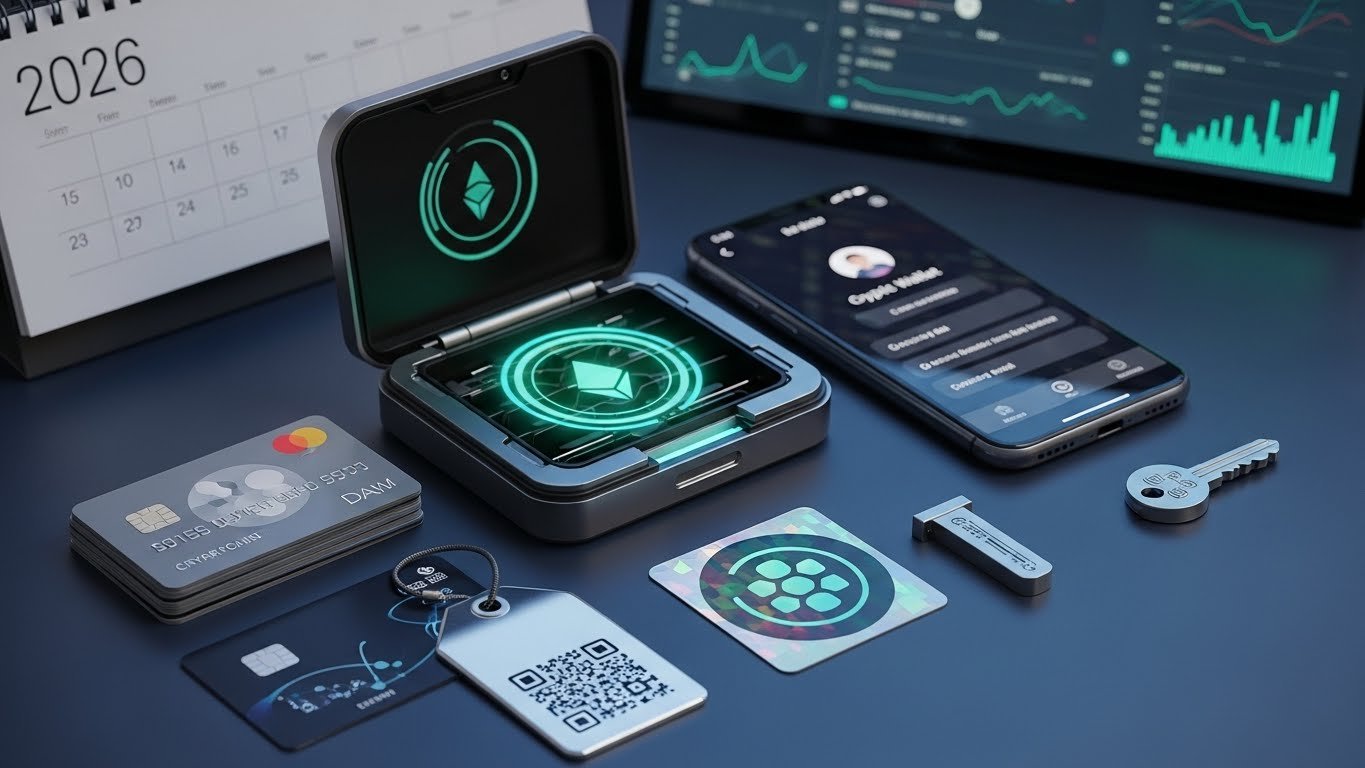
Software wallets, especially mobile and desktop versions, remain the most popular choice for beginners. They offer accessibility, flexibility, and integration with Web3 services. In 2026, these wallets are designed to be lightweight yet powerful. The best crypto wallets for beginners in this category focus on reliability, frequent updates, and responsive support, ensuring users feel confident using them daily.
Hardware Wallets as a Learning Upgrade
While hardware wallets are traditionally seen as advanced tools, newer models are becoming more beginner-friendly. Simplified interfaces and guided setup processes make them accessible even to newcomers. For beginners holding larger amounts or planning long-term storage, hardware wallets provide an extra layer of security without sacrificing usability.
Transparency and Trust in Wallet Providers
Open Communication and User Control
Trust is essential in crypto, especially for beginners. Wallet providers that communicate clearly about how their products work, how data is handled, and what users are responsible for earn greater confidence. The best crypto wallets for beginners avoid vague language and prioritize transparency, empowering users rather than keeping them in the dark.
Reputation and Longevity in the Market
While innovation is important, beginners often benefit from wallets with established reputations. Longevity suggests reliability and resilience through multiple market cycles. A well-reviewed wallet with a track record of security updates and community engagement offers reassurance to new users.
Regulation, Compliance, and Beginner Confidence
Navigating the Regulatory Landscape
By 2026, regulation plays a larger role in shaping wallet features, especially in Europe. Compliance with regional standards can enhance user protection without undermining decentralization. Beginner wallets that align with regulatory expectations often provide clearer disclosures and consumer safeguards, which can be comforting for new users.
Balancing Freedom and Protection
The challenge lies in balancing regulatory compliance with crypto’s core values. The best crypto wallets for beginners manage this balance by offering optional compliance features while preserving user autonomy. This approach allows beginners to explore crypto confidently while maintaining control over their assets.
Accessibility and Cross-Platform Support
Mobile-First Experiences
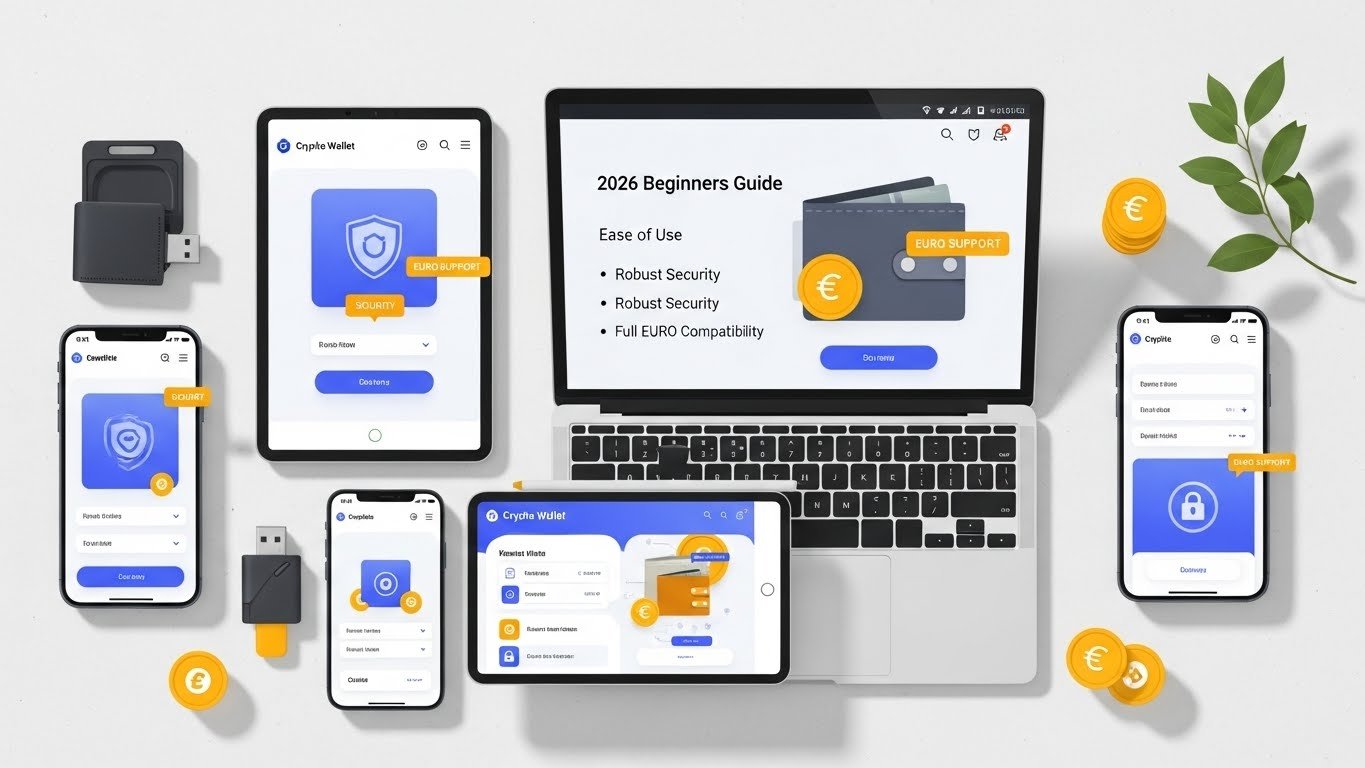
Most beginners access crypto through smartphones. Wallets optimized for mobile use dominate the beginner market in 2026. Smooth performance, quick load times, and responsive design are essential. Mobile-first wallets make crypto accessible anytime, anywhere, aligning with modern user expectations.
Syncing Across Devices
Cross-platform support adds convenience. Wallets that sync securely across mobile and desktop devices allow users to manage assets flexibly. For beginners, this consistency reduces confusion and ensures a cohesive experience regardless of the device used.
Customer Support and Community Resources
Responsive Support Channels
When beginners encounter issues, responsive support can make the difference between frustration and confidence. Wallets that offer timely assistance through multiple channels stand out. The best crypto wallets for beginners recognize that support is part of usability, not an afterthought.
Community Engagement and Learning Resources
Active communities provide additional value. Forums, social channels, and knowledge bases help beginners learn from others’ experiences. Wallets that foster supportive communities contribute to a more positive onboarding journey.
Long-Term Growth With a Beginner Wallet
Scaling Features as Users Learn
A good beginner wallet grows with the user. As confidence increases, users may want access to staking, decentralized applications, or advanced security options. Wallets that offer scalable features prevent the need to switch platforms, supporting long-term engagement.
Preparing for the Future of Web3
In 2026, Web3 continues to expand beyond simple transactions. Wallets act as digital identities, access points to decentralized services, and hubs for asset management. The best crypto wallets for beginners prepare users for this future by offering gradual exposure to advanced capabilities without overwhelming them.
Conclusion
Choosing among the best crypto wallets for beginners in 2026 is about more than storing digital assets. It is about finding a secure, intuitive, and euro-friendly gateway into the evolving world of crypto and Web3. As the industry matures, beginner wallets are becoming more sophisticated while remaining accessible, reflecting a deeper understanding of user needs.
Security, ease of use, and fiat integration form the foundation of a good beginner wallet. Transparency, support, and scalability ensure that users can grow confidently over time. By prioritizing these elements, beginners can start their crypto journey with clarity and confidence, laying the groundwork for long-term participation in the digital economy.
FAQs
Q: What makes a crypto wallet beginner-friendly in 2026
A beginner-friendly crypto wallet in 2026 combines strong security, an intuitive interface, clear onboarding guidance, and seamless euro support to reduce confusion and risk for new users.
Q: Is it better for beginners to use custodial or non-custodial wallets
Beginners often benefit from wallets that clearly explain custody options. Non-custodial wallets offer more control, while custodial features can simplify management, so the best choice depends on comfort and learning goals.
Q: Why is euro integration important for beginner crypto wallets
Euro integration allows beginners to understand balances, prices, and transactions in familiar terms, making crypto more accessible and reducing conversion-related confusion.
Q: Are hardware wallets suitable for beginners in 2026
Yes, many hardware wallets in 2026 are designed with beginners in mind, offering guided setup and user-friendly interfaces while providing higher security for long-term storage.
Q: How can beginners avoid security mistakes when using crypto wallets
Beginners can avoid mistakes by choosing wallets with clear security prompts, learning about private key management, enabling multi-factor authentication, and following in-app educational guidance.
