



The relationship between war and markets is not new. Historically, conflicts trigger uncertainty, and uncertainty drives capital toward perceived safety. But in today’s interconnected global economy, digital assets such as bitcoin now stand alongside traditional instruments like gold and oil. Understanding Iran war & markets: How bitcoin, gold, oil, US dollar are moving offers crucial insight into where investors are placing their bets—and where risks may lie ahead.
Iran War & Markets: How Bitcoin, Gold, Oil, US Dollar Are Moving
The direct impact of geopolitical conflict on global markets tends to follow recognizable patterns. Energy prices react first. Safe-haven currencies strengthen. Equity markets wobble. But the addition of cryptocurrency markets has introduced a new layer of complexity.
In analyzing Iran war & markets: How bitcoin, gold, oil, US dollar are moving, it becomes clear that each asset behaves differently depending on investor perception, liquidity flows, and macroeconomic expectations.
Oil markets respond almost instantly to Middle East instability because the region remains critical to global supply chains. Gold typically rises as investors hedge against geopolitical risk and inflation. The US dollar often strengthens due to its status as the world’s reserve currency. Bitcoin, however, occupies a more ambiguous position—sometimes acting like digital gold, other times behaving like a risk asset. The interplay among these assets defines current global financial conditions.
Oil Prices Surge on Supply Fears
Crude oil is often the most immediate casualty of geopolitical unrest in the Middle East. Iran plays a strategic role in global oil production and shipping routes, particularly around the Strait of Hormuz, a critical chokepoint for energy transport.
When tensions escalate, traders price in potential supply disruptions. As a result, oil futures typically spike. Rising oil prices feed directly into inflation expectations, impacting central bank policy decisions and broader market sentiment.
In the context of Iran war & markets: How bitcoin, gold, oil, US dollar are moving, oil’s upward momentum reflects fears of reduced supply and logistical bottlenecks. Energy-importing nations face higher costs, while oil-exporting countries may benefit from increased revenues.
Higher oil prices can also pressure equity markets by raising input costs for companies and reducing consumer spending power. This dynamic adds further volatility to global financial markets.
Gold Reclaims Safe-Haven Status
Gold has historically served as a store of value during periods of political instability. When geopolitical tensions rise, investors often rotate capital into gold as protection against currency devaluation and market downturns.
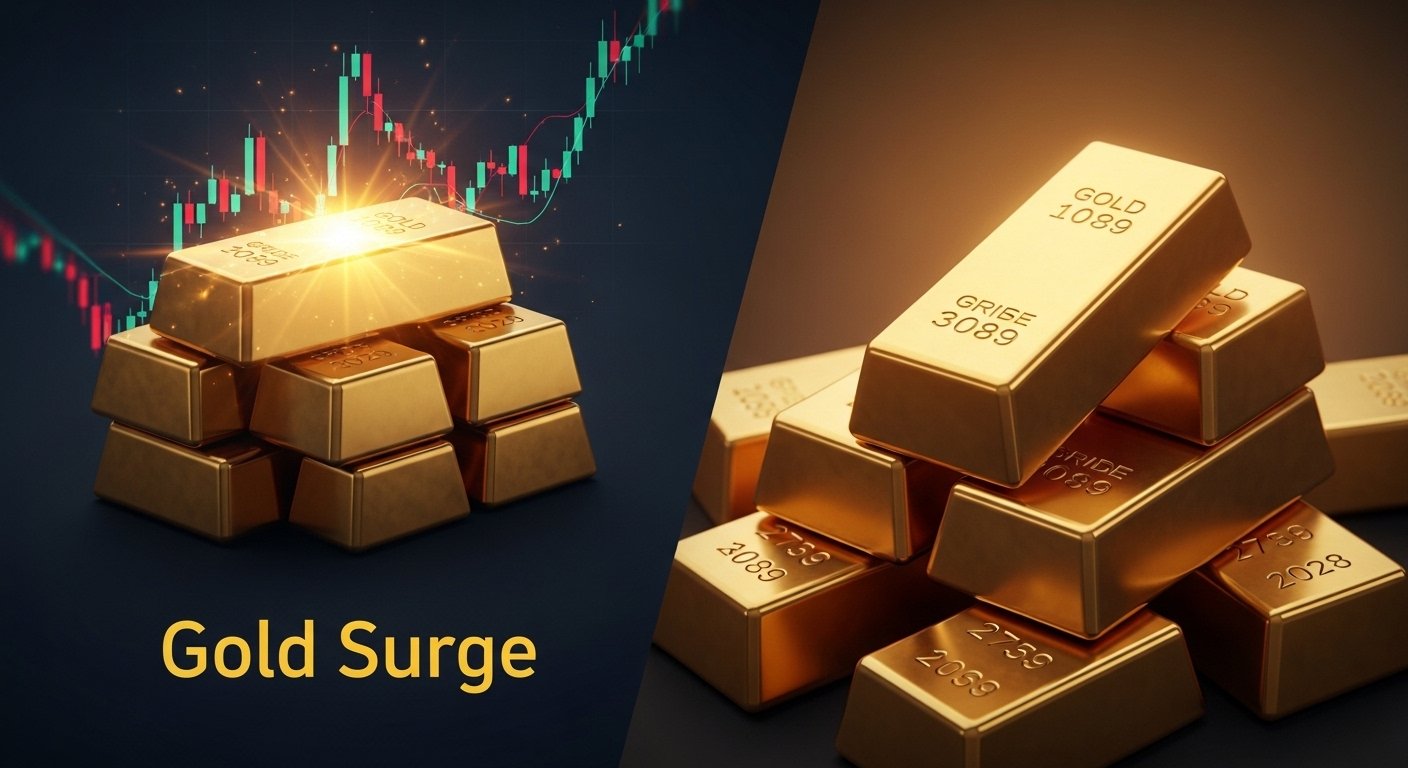
In the current crisis, gold prices have climbed as traders hedge against escalation risks. The movement of gold reinforces the broader narrative within Iran war & markets: How bitcoin, gold, oil, US dollar are moving.
Gold benefits from several factors during wartime uncertainty. Inflation fears increase demand. Currency volatility boosts its appeal. Central banks may also increase gold reserves as a diversification strategy.
Unlike equities, gold does not depend on corporate earnings or economic growth. Its value derives from scarcity, historical trust, and universal recognition. In times of conflict, those qualities become especially attractive.
The US Dollar Strengthens as Global Reserve Currency
The US dollar remains the dominant global reserve currency. During geopolitical crises, investors often seek dollar-denominated assets such as US Treasury bonds. This capital inflow strengthens the dollar index.
Within Iran war & markets: How bitcoin, gold, oil, US dollar are moving, the dollar’s performance reflects global risk aversion. Even when conflicts do not directly involve the United States, the dollar typically benefits because of its liquidity and perceived stability.
A stronger dollar has ripple effects across emerging markets. Countries with dollar-denominated debt face higher repayment costs. Commodities priced in dollars become more expensive globally. This creates additional economic pressure beyond the immediate conflict zone. The dollar’s movement often influences bitcoin as well, since cryptocurrency markets are largely priced in USD.
Bitcoin’s Volatile Response to Geopolitical Tension
Bitcoin presents a unique case study in wartime markets. Some investors consider it “digital gold,” a decentralized hedge against government instability and fiat currency risk. Others view it as a speculative risk asset correlated with technology stocks.
During the Iran conflict, bitcoin’s price movements have reflected both narratives. Initial spikes may occur as investors seek decentralized alternatives. However, broader market sell-offs can drag bitcoin lower if liquidity tightens.
Iran war & markets: How bitcoin, gold, oil, US dollar are moving requires analyzing bitcoin’s dual identity. When risk appetite declines sharply, institutional investors may reduce crypto exposure. Yet in regions facing currency instability or sanctions, local demand for bitcoin can rise significantly.
This dual dynamic makes bitcoin one of the most fascinating assets to monitor during geopolitical crises.
Correlation Between Bitcoin and Gold During Conflict
A major question in current financial analysis is whether bitcoin truly acts as digital gold. During some crises, bitcoin has mirrored gold’s upward movement. In others, it has followed equity market declines.
The evolving narrative around Iran war & markets: How bitcoin, gold, oil, US dollar are moving highlights this uncertainty. If bitcoin increasingly behaves like gold during conflict, it could strengthen its long-term investment thesis as a hedge asset.
Institutional adoption plays a key role in shaping this correlation. As more hedge funds and asset managers integrate bitcoin into portfolios, its behavior may align more closely with macroeconomic factors rather than speculative retail trading.
Inflation Fears and Central Bank Reactions
Geopolitical conflicts often lead to higher commodity prices, particularly oil. Rising energy costs contribute to inflation, which forces central banks to reconsider monetary policy. If inflation accelerates due to sustained oil price increases, interest rate decisions could shift. Higher interest rates typically strengthen the US dollar but may pressure risk assets like equities and cryptocurrencies.

In evaluating Iran war & markets: How bitcoin, gold, oil, US dollar are moving, inflation expectations remain central. Gold tends to benefit from inflation hedging. Bitcoin advocates argue it also serves as protection against currency debasement. Meanwhile, traditional markets adjust to evolving central bank guidance.
Equity Markets React to Heightened Risk
Although the focus is on bitcoin, gold, oil, and the US dollar, stock markets cannot be ignored. Global indices often decline during the early stages of conflict due to uncertainty and risk aversion.
Defense stocks may rise, while airline and travel sectors typically fall due to higher fuel costs and disrupted routes. Technology stocks may also experience volatility if broader market sentiment turns negative.
These equity movements indirectly influence bitcoin, as cryptocurrency markets increasingly correlate with tech-heavy indices during risk-off periods.
Emerging Markets and Currency Volatility
Emerging market currencies often suffer when geopolitical tensions rise and the US dollar strengthens. Capital outflows increase as investors seek safety in developed economies.
This dynamic further shapes Iran war & markets: How bitcoin, gold, oil, US dollar are moving, as currency instability in certain regions can drive local adoption of alternative assets, including gold and bitcoin.
Countries experiencing inflationary pressure may see rising demand for decentralized financial tools. In this sense, geopolitical crises can accelerate cryptocurrency adoption in specific markets.
Long-Term Implications for Global Financial Stability
While short-term volatility dominates headlines, long-term consequences deserve attention. Prolonged conflict can reshape trade routes, energy policies, and geopolitical alliances. Energy diversification efforts may accelerate if oil supply risks remain elevated. Countries could invest more heavily in renewable energy to reduce reliance on unstable regions.
Similarly, the role of digital currencies in global finance may expand. Sanctions, cross-border payment restrictions, and financial fragmentation can drive innovation in blockchain-based systems. Iran war & markets: How bitcoin, gold, oil, US dollar are moving is not only about immediate price changes but also about structural shifts in the global financial system.
Safe-Haven Assets vs Risk Assets: A Shifting Balance
The current environment illustrates a classic tug-of-war between safe-haven and risk assets. Gold and the US dollar represent traditional safety. Oil reflects geopolitical supply concerns. Bitcoin sits somewhere in between.
Market participants continuously rebalance portfolios based on evolving information. Headlines, diplomatic developments, and military actions can trigger rapid price swings.
The narrative of Iran war & markets: How bitcoin, gold, oil, US dollar are moving will likely evolve as new developments unfold. Traders and investors must remain agile, informed, and risk-aware.
Conclusion
The global financial system is once again facing the test of geopolitical uncertainty. Oil prices surge on supply fears. Gold regains safe-haven demand. The US dollar strengthens amid risk aversion. Bitcoin oscillates between hedge and high-risk asset.
By closely tracking Iran war & markets: How bitcoin, gold, oil, US dollar are moving, investors can better understand capital flows and risk sentiment shaping today’s economy.
See More: Top No Deposit Bonus Casino 2025: Why MIRAX Leads the Pack
