




The question of whether a pro-Bitcoin Nobel Prize winner could replace Nicolás Maduro as Venezuela’s president sounds extraordinary, yet it reflects the depth of political, economic, and technological change shaping the country’s future. Venezuela has endured years of economic collapse, hyperinflation, sanctions, and political polarization. Against this backdrop, unconventional ideas and figures are gaining attention, including economists, intellectuals, and reformists who openly support Bitcoin and decentralized financial systems.
In recent years, Bitcoin has become more than a speculative asset in Venezuela. For many citizens, it has functioned as a survival tool, a hedge against inflation, and a bridge to the global economy. At the same time, dissatisfaction with traditional leadership has intensified. The idea that a globally respected, pro-Bitcoin Nobel Prize winner could emerge as a credible alternative to Maduro highlights how deeply people are questioning the status quo.
This article explores whether such a scenario is plausible. It examines Venezuela’s political landscape, the role of Bitcoin in the country, the influence of Nobel Prize–winning economists, and the broader implications of crypto-friendly leadership. By analyzing political realities and economic pressures, we can better understand whether this bold idea is realistic or merely symbolic.
Venezuela’s Political Crisis and the Search for Alternatives
Venezuela’s political crisis did not emerge overnight. Years of centralized control, declining oil revenues, and policy mismanagement have eroded trust in institutions. Nicolás Maduro’s presidency has been marked by contested elections, international isolation, and growing internal dissent.
As living standards deteriorated, citizens began seeking alternatives not only in economic tools but also in leadership. Traditional opposition figures have struggled to unify voters or present a compelling vision for recovery. This vacuum has created space for unconventional voices, including academics and economists with global recognition. The notion that a pro-Bitcoin Nobel Prize winner could replace Maduro reflects a broader desire for credibility, expertise, and innovation. People are increasingly drawn to leaders who can articulate solutions grounded in economic theory and global experience rather than ideological loyalty.
Bitcoin’s Unique Role in Venezuela’s Economy
Bitcoin occupies a unique position in Venezuela’s economic story. Unlike in many countries where Bitcoin is viewed primarily as an investment, in Venezuela it has served practical purposes. Citizens have used it to protect savings from hyperinflation, receive remittances, and conduct international transactions beyond capital controls.
This widespread grassroots adoption has made Bitcoin a symbol of financial resistance and independence. It has also shaped public perception, making pro-Bitcoin ideas more mainstream than in many other developing nations. When considering whether a pro-Bitcoin Nobel Prize winner could replace Maduro, it is important to recognize how deeply crypto has embedded itself into daily life. Bitcoin is no longer an abstract concept; it is part of the lived experience of economic survival.
Who Is a Pro-Bitcoin Nobel Prize Winner?

The term pro-Bitcoin Nobel Prize winner typically refers to economists who have publicly praised Bitcoin’s potential as sound money, a hedge against inflation, or a challenge to centralized monetary systems. These individuals often emphasize the dangers of excessive money printing and centralized control.
A Nobel Prize confers immense credibility. It signals intellectual authority, global recognition, and independence from local political factions. In a country where trust in politicians is low, such credentials could resonate strongly with voters seeking competence and integrity.
While no Nobel laureate has officially declared an intention to run for Venezuela’s presidency, the idea captures the imagination because it combines academic rigor with technological innovation.
The Appeal of Economic Expertise in Political Leadership
Economic collapse is at the heart of Venezuela’s crisis. Hyperinflation, currency devaluation, and declining productivity have devastated livelihoods. As a result, economic expertise has become a highly valued trait in potential leaders. A Nobel Prize–winning economist advocating Bitcoin adoption, monetary reform, and decentralized finance could present a stark contrast to existing leadership. Such a figure could frame reforms not as ideological shifts but as evidence-based solutions. This appeal goes beyond Bitcoin itself. It encompasses broader themes like fiscal discipline, institutional transparency, and market confidence. These qualities align with public demands for pragmatic governance.
Bitcoin as a Political Symbol
Bitcoin has evolved into a political symbol in Venezuela. It represents resistance to inflation, autonomy from state control, and connection to global markets. For many, supporting Bitcoin is synonymous with rejecting failed policies.
A pro-Bitcoin Nobel Prize winner would likely embody this symbolism. Their advocacy could be framed as empowering citizens rather than enforcing austerity. This narrative could attract both crypto-savvy youth and older generations disillusioned with traditional systems. The symbolic power of Bitcoin could therefore play a significant role in shaping political discourse and voter sentiment.
Challenges to Replacing Maduro
Despite the appeal, replacing Maduro is extraordinarily difficult. Venezuela’s political system is tightly controlled, with institutions often aligned with the ruling party. Electoral processes have been contested, and opposition movements face legal and logistical obstacles.
A Nobel laureate, regardless of popularity, would need organizational support, political alliances, and grassroots mobilization. Intellectual authority alone does not guarantee electoral success, especially in a polarized environment. Moreover, pro-Bitcoin positions could face resistance from entrenched interests benefiting from the current system. These realities temper optimism about rapid political transformation.
Public Perception of Bitcoin-Friendly Leadership
Public perception is critical. While many Venezuelans use Bitcoin, not everyone views it as a comprehensive solution. Some may worry about volatility, accessibility, or technical barriers. A successful pro-Bitcoin leader would need to communicate clearly how Bitcoin fits into a broader economic strategy. This includes education, infrastructure development, and safeguards for vulnerable populations. If framed effectively, Bitcoin advocacy could enhance trust rather than provoke skepticism.
International Reactions and Geopolitical Implications
A pro-Bitcoin Nobel Prize winner replacing Maduro would have significant international implications. It could reshape Venezuela’s relationships with global financial institutions, neighboring countries, and sanctioning states. Bitcoin-friendly policies might attract foreign investment and diaspora engagement. At the same time, they could challenge existing geopolitical dynamics by reducing reliance on traditional financial systems. International reactions would likely be mixed, but global attention could amplify Venezuela’s economic rebranding.
The Role of Technology in Political Change
Technology has increasingly influenced political change worldwide. Social media, digital payments, and decentralized platforms empower citizens and disrupt traditional power structures. Bitcoin fits into this broader technological shift. Its decentralized nature aligns with demands for transparency and accountability. A leader who understands and embraces these tools could harness technology to rebuild trust. Pro-Bitcoin Nobel Prize winner symbolizes not just economic reform but a new governance paradigm.
Economic Reform Beyond Bitcoin
While Bitcoin is central to the discussion, comprehensive reform extends beyond crypto. Venezuela requires institutional rebuilding, diversification away from oil dependence, and social stabilization. A Nobel laureate’s credibility could help articulate a holistic vision combining monetary reform, digital assets, and structural adjustments. Bitcoin would function as one pillar among many rather than a standalone fix. This balanced approach could address concerns about overreliance on any single solution.
Youth Engagement and the Future Vote
Venezuela’s youth are disproportionately affected by economic decline. Many are tech-savvy and familiar with cryptocurrencies. Their engagement could be decisive in any political shift. A pro-Bitcoin Nobel Prize winner might resonate strongly with younger voters seeking innovation and opportunity. This demographic connection could energize political participation and challenge entrenched power structures. Youth support, however, must translate into organizational strength to impact outcomes.
Comparing Venezuela to Other Bitcoin-Friendly Experiments
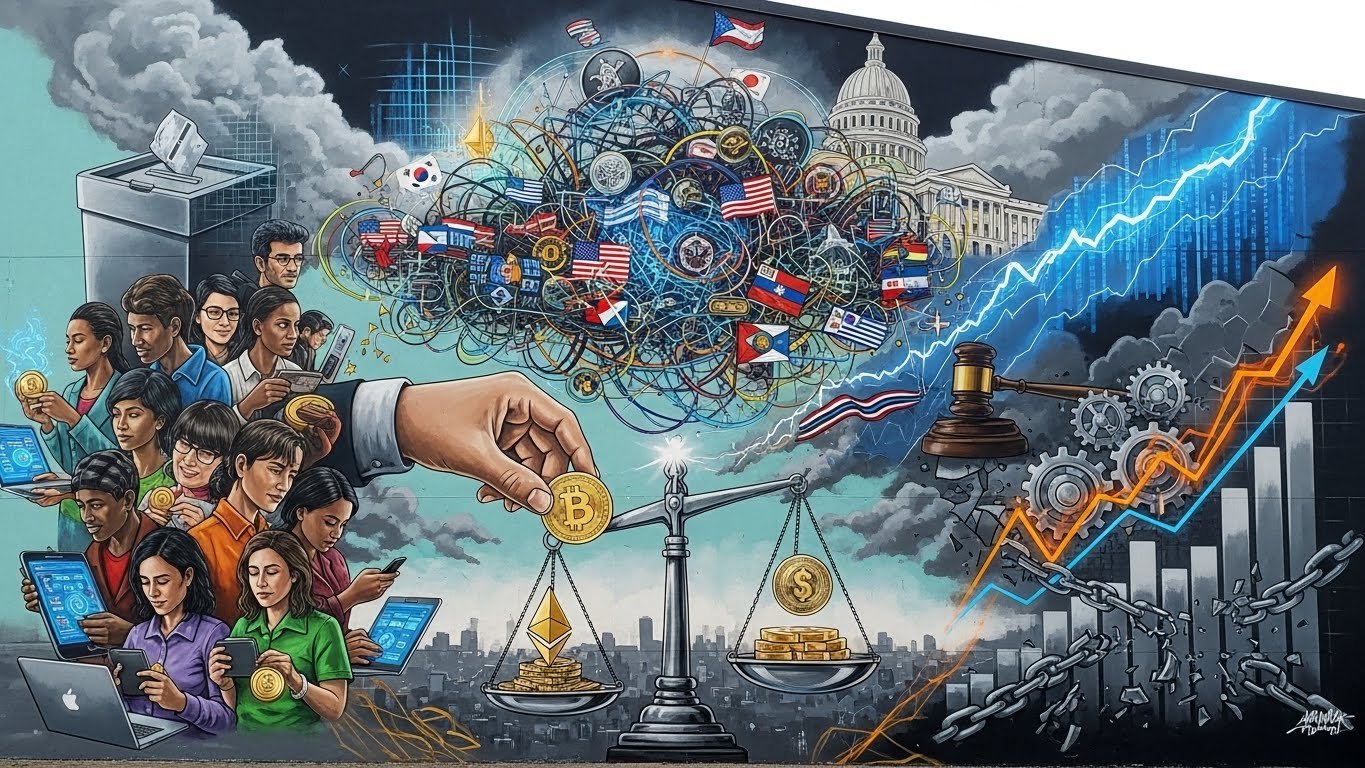
Globally, some countries and leaders have experimented with Bitcoin-friendly policies. These experiences offer lessons about adoption, volatility, and public response. Venezuela’s situation is distinct due to its economic collapse and grassroots crypto usage. A pro-Bitcoin leader could leverage these conditions more effectively than in stable economies. Understanding these comparisons helps contextualize both opportunities and risks.
Media Narratives and Public Discourse
Media coverage would play a crucial role in shaping perceptions. International and local narratives could frame a pro-Bitcoin Nobel Prize winner as either a visionary reformer or an unrealistic outsider. Effective communication would be essential to counter misinformation and build consensus. Transparent dialogue could transform skepticism into cautious optimism. Media influence underscores the importance of narrative control in political transitions.
Is This Scenario Realistic or Aspirational?
Ultimately, the idea of a pro-Bitcoin Nobel Prize winner replacing Maduro is both realistic and aspirational. It reflects genuine dissatisfaction and openness to radical alternatives, yet faces formidable structural barriers. Even if such a figure never runs for office, their influence could shape policy debates and inspire reformist movements. Sometimes, symbolic leadership shifts public consciousness before institutional change occurs. The discussion itself signals evolving attitudes toward governance and economic innovation.
Conclusion
The possibility that a pro-Bitcoin Nobel Prize winner could replace Maduro as Venezuela’s president captures the extraordinary crossroads facing the nation. It highlights deep frustration with traditional leadership and growing faith in technological and economic innovation. While significant obstacles remain, the appeal of credible expertise, Bitcoin adoption, and decentralized thinking cannot be dismissed. Whether or not such a scenario materializes, it reflects a broader transformation in how Venezuelans imagine solutions to systemic crisis.
Q: Why is Bitcoin particularly significant in Venezuela’s political discussion?
Bitcoin has been widely adopted as a tool against hyperinflation and financial controls, making it a symbol of economic survival and independence for many citizens.
Q: Could a Nobel Prize winner realistically win Venezuela’s presidency?
While intellectual credibility offers appeal, political success depends on organizational strength, alliances, and navigating institutional barriers, making it challenging but not impossible.
Q: How would pro-Bitcoin policies affect Venezuela’s economy?
Pro-Bitcoin policies could improve financial inclusion and global connectivity, but they would need to be part of a broader reform strategy to ensure stability and growth.
Q: Would international actors support a Bitcoin-friendly Venezuelan leader?
Reactions would likely vary, with some welcoming reform and others cautious about departures from traditional financial systems.
Q: Is this idea more symbolic than practical?
At present, it is largely symbolic, reflecting a desire for credible and innovative leadership, though symbolism itself can influence long-term political change.
